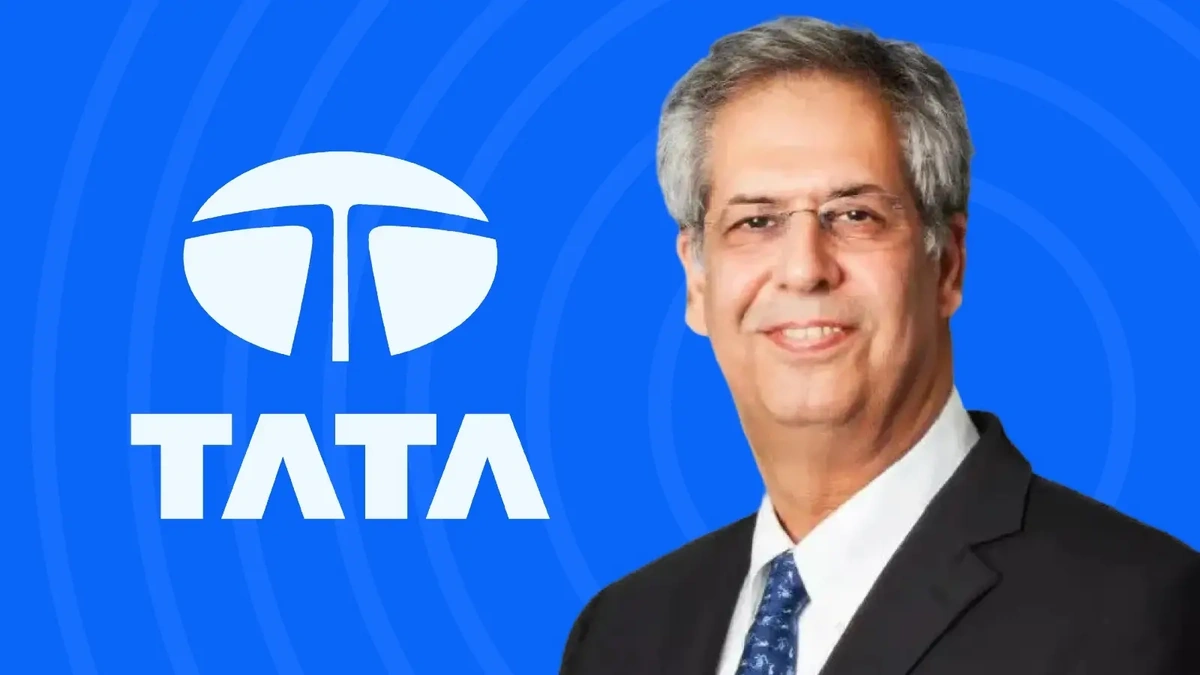
Here’s the thing: When someone like N. Chandrasekaran, the current chairman of Tata Sons, gets an extension that seems to bend the rules a little, it’s not just a headline; it’s a signal. It tells us something about the state of the Tata Group, the Tata Trusts , and the intricate web of influence that shapes India’s corporate landscape. Let’s dive into why this matters – and why it’s more fascinating than it appears at first glance.
Why Chandrasekaran’s Extension is a Big Deal
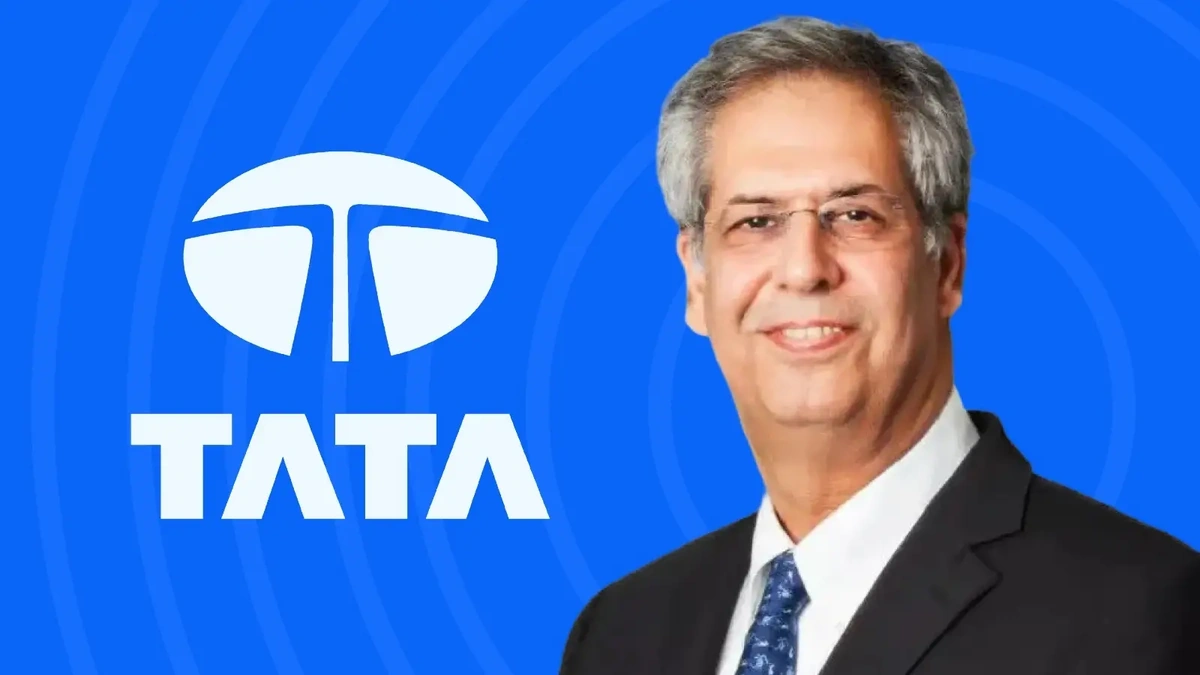
So, N. Chandrasekaran – often called Chandra – is continuing his leadership role. The Tata Trusts’ decision to support a third term for him, despite the usual retirement age guidelines, raises eyebrows. But it isn’t scandalous; it’s strategic. Think about it: the Tata group leadership is in safe hands. He’s proven his mettle, navigating the company through thick and thin. Extending his term provides continuity, stability, and a clear vision for the future.
But, what does this say about succession planning within the Tata Group? Is there a lack of suitable successors ready to take the reins? Or is Chandra just too valuable to let go? It’s probably a bit of both. Finding someone to fill those shoes is a tall order – someone with the experience, the vision, and the gravitas to lead one of India’s largest conglomerates. And let’s be honest, after the Mistry saga, they are going to be very careful about who is at the top.
The Power Dynamics Between Tata Sons and Tata Trusts
The relationship between Tata Sons and Tata Trusts’ role is a delicate dance. Tata Trusts, a group of philanthropic organizations, owns a majority stake in Tata Sons. This ownership gives them immense influence over the group’s direction. The Trusts are driven by social responsibility and philanthropy. Tata Sons is focused on profitability and growth. These sometimes opposing agendas create a unique dynamic. It is not like most companies in India.
The Trusts’ support for Chandrasekaran highlights the importance of aligning leadership with their core values. They see him as someone who can balance profit-making with social impact – a critical consideration for the Tata Group. This isn’t just about business; it’s about legacy and purpose. This balancing act is what sets Tata apart and why corporate governance is something that the group takes so seriously.
The Implications for Tata Group’s Future Strategy
With Chandrasekaran at the helm for another term, we can expect a continued focus on certain key strategic areas. Think digital transformation, sustainability, and global expansion. Tata has been aggressively pursuing these avenues. Having a steady hand guiding the ship ensures these initiatives stay on course. But the corporate leadership change that hasn’t happened also underscores a need to groom future leaders who embody these principles and can carry the torch forward. The Board needs to be even more diligent, in my view.
The fact that they are willing to seemingly bend internal rules indicates a larger strategic view in play. What fascinates me is how they continue to innovate while preserving a reputation for ethics and social consciousness. It is this blend that makes Tata such an interesting case study.
Navigating Retirement Rules | The Exception to the Norm
Let’s be honest: Retirement rules are rarely set in stone, especially at the highest levels of corporate leadership. There’s always room for interpretation, exceptions, and strategic overrides. The decision to extend Chandrasekaran’s term is a classic example of this. It’s not about flouting the rules; it’s about recognizing exceptional circumstances and acting in the best interests of the organization. What’s important to note is that the shareholder approval process was followed meticulously. No corners were cut.
And it is not like they’ve never done this before. Look at Ratan Tata himself. The precedent for extensions is there. The move may also be viewed within the context of changes and turmoil at other large Indian conglomerates. It may just be a signal that the Tata Group prizes stability.
Speaking of which, according to LiveMint , his previous extension was in Feb 2022.
The Long-Term Impact on Indian Corporate Governance
Decisions like these have ripple effects. Chandrasekaran getting an extension will inevitably influence how other Indian companies approach succession planning and retirement policies. It sets a precedent. It highlights the importance of experience, vision, and leadership in a rapidly changing business environment. And it underscores the need for flexibility and adaptability in corporate governance.
The Tata Group has always been a bellwether for Indian businesses , setting standards for ethical conduct and corporate social responsibility. This move, while seemingly unconventional, reinforces the importance of aligning leadership with long-term strategic goals and values. But, in the end, it will be viewed under a microscope by those who study corporate governance standards .
Ultimately, N. Chandrasekaran’s extension is a complex story that goes beyond the headlines. It’s about power, strategy, legacy, and the ever-evolving dynamics of Indian business. It’s a reminder that sometimes, the most interesting stories are the ones that make you think.
Check out this link. And also, check this one out: SSC MTS Result 2025 .
FAQ
Why is N. Chandrasekaran’s extension significant?
It signals stability and continued strategic direction for the Tata Group, especially given his proven track record and the complexities of succession planning.
How do Tata Trusts influence Tata Sons?
As the majority stakeholder, Tata Trusts exert significant influence on Tata Sons’ leadership and strategic decisions, ensuring alignment with their philanthropic goals.
What are the key strategic priorities under Chandrasekaran’s leadership?
Digital transformation, sustainability, and global expansion remain key focus areas for the Tata Group under his continued guidance.
Does this set a precedent for other Indian companies?
Yes, it may influence how other companies approach succession planning and retirement policies, emphasizing the importance of experience and adaptability.
Was this decision taken lightly?
Not at all. It was after a full shareholder approval process .